Dubai Is Quietly Shifting Its Growth Toward the South—And Many Investors Haven’t Fully Caught On Yet
Introduction to Invest in Dubai South Property 2026
Every ten years or so, real estate markets provide a certain kind of chance. It doesn’t make a big deal of itself. It doesn’t get a lot of attention on social media. It builds up slowly through government vision, infrastructure commitments, and the gradual, steady movement of money toward an area that most people still term “too far out.” Right now, Dubai South is that chance. The window is still open, but it won’t stay that way long.
Most talks about Dubai real estate still focus on the glamour of Downtown, the beauty of Dubai Marina, or the middle-class appeal of Jumeirah Village Circle. These are all good places that the market knows well and has proven to be solid. But the people who will remember 2026 as a turning point won’t be the ones who bought another flat in Business Bay. They’ll be the ones who read the signs, comprehended the master plan, and moved to Dubai South before the airport expansion, the building of new infrastructure, and the influx of people made it difficult to ignore.
This isn’t just a guess. There are hundreds of billions of dirhams in government investment, rental data showing 20% year-on-year growth, Emirates Airlines moving 12,000 cabin crew to the area, and a global airport expansion that will eventually make Al Maktoum International the largest airport in the world. Putting all of it together doesn’t make it seem like hype. You get a strong, data-driven argument for investing in Dubai South property in 2026 and beyond.
Why Dubai’s Growth Is Moving South
To get why investing in Dubai South makes sense, you first need to know why the city is changing its geography. For almost twenty years, growth occurred along the Sheikh Zayed Road spine, going north and east, and along the coast. That model worked exceptionally for the city. It provided us with the Palm, JBR, Downtown, and Business Bay. But every way that growth happens has its limits. Land becomes difficult to find, prices grow too high for people with intermediate incomes, and the sheer number of new buildings makes living there less pleasant.
The Dubai administration, known for its long-term planning capabilities, recognized this turning point years in advance. The master plan for Dubai South has existed since 2006, but it only gained significance after the announcement of Expo 2020 and the decision to focus on Al Maktoum International Airport, transforming it from a mere sketch on paper to one of the most significant urban development projects in the Middle East.
Infrastructure Is Leading the Way
Infrastructure projects that the government pays for are the best way to predict where urban value will grow in the future. And in Dubai’s southern corridor, the commitment to infrastructure is huge. The Dubai Metro Blue Line extension will link Al Maktoum Airport directly to the rest of the city’s public transportation system. Etihad Rail has made the airport one of its main stops. The Dh128 billion airport expansion is one of the biggest development projects in history. The second quarter of 2026 will witness the groundbreaking ceremony for the new Emirates Cabin Crew Village.
The road network that connects Dubai South to Jebel Ali Port forms a “Sea-to-Air” corridor, which is a dedicated trade superhighway that is already functioning near full capacity. Reports say that 98% of the warehouses in this area are full. That one number tells you everything you need to know about the real, non-speculative demand that is already there.
The Expo 2020 Legacy Effect
People shouldn’t underestimate what Expo 2020 did for this portion of the city. Yes, millions of people attended the event, and it received a lot of attention worldwide. But its longer-lasting effects were on infrastructure and people’s minds. It led to the creation of Expo City Dubai, a whole urban district with public spaces, cultural institutions, and business facilities.
The site is currently the northern anchor of the larger Dubai South ecosystem. Improved transportation links, changing opinions, and the attention of previously hesitant developers marked the beginning of new ventures here. The Expo’s legacy isn’t only a memory. The neighborhood is alive and growing.
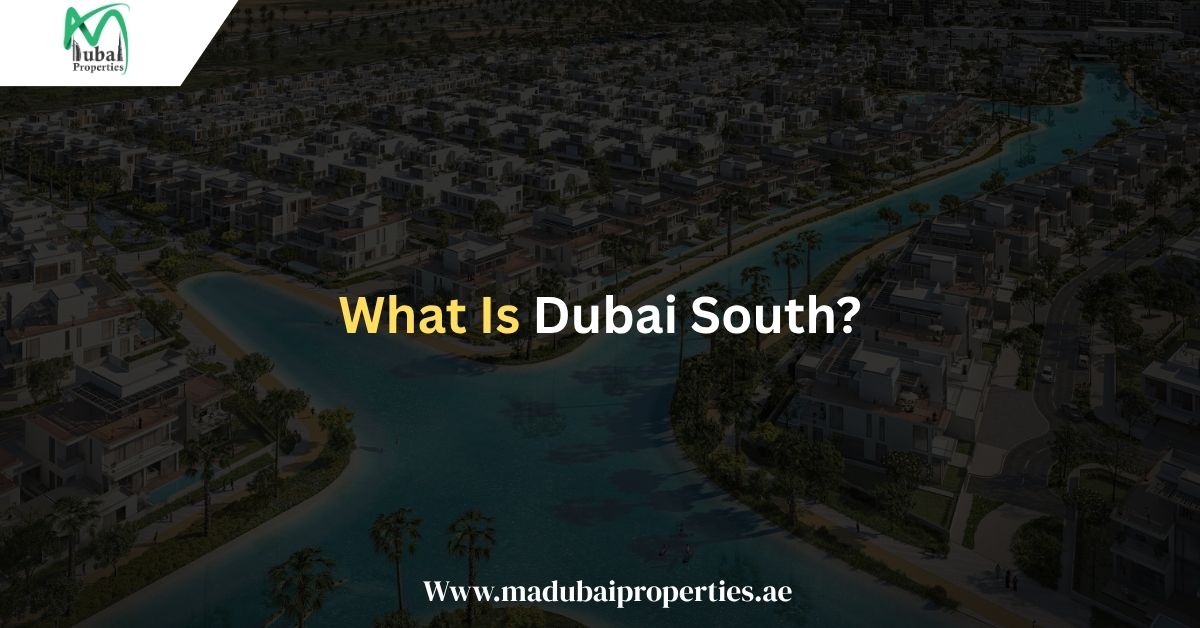
What Is Dubai South?
Dubai South is a planned metropolitan development that will cover 145 square kilometers in the southern part of the emirate, next to Jebel Ali. It was meant to be a city inside a city, with two main pillars: aviation and logistics. It was meant to be a self-sustaining commercial and residential area. Al Maktoum International Airport is at the center of it all. It is now open and is in the middle of what will be the world’s greatest airport expansion ever.
Think of Dubai South not as a neighborhood or a single community, but as an emerging metropolis. It encompasses residential districts, free trade zones, logistics hubs, an aviation district, golf courses, schools, hospitals, and retail centers—all woven together under a single master plan with a long-term vision for one million residents and workers.
Key Communities and Projects
There are a number of separate communities that make up the residential center of the area. Each one caters to a particular type of buyer or investment. Emaar South is probably the most established. It is a golf-integrated township with a mix of flats, townhouses, and villas built by one of the most reputable companies in real estate in the UAE.
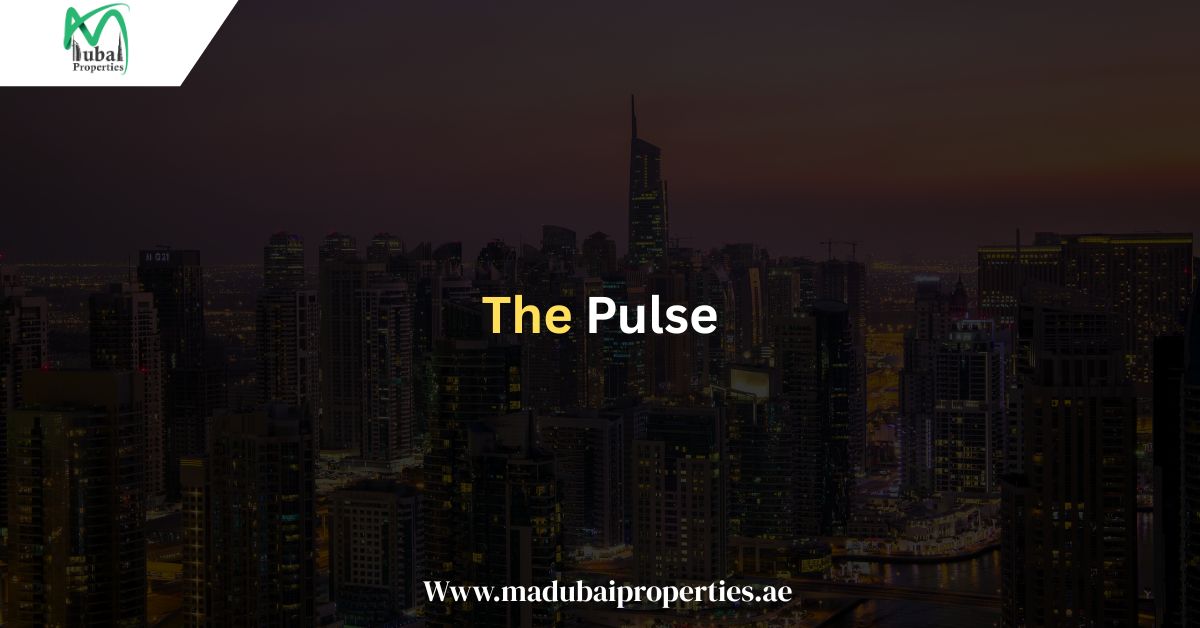
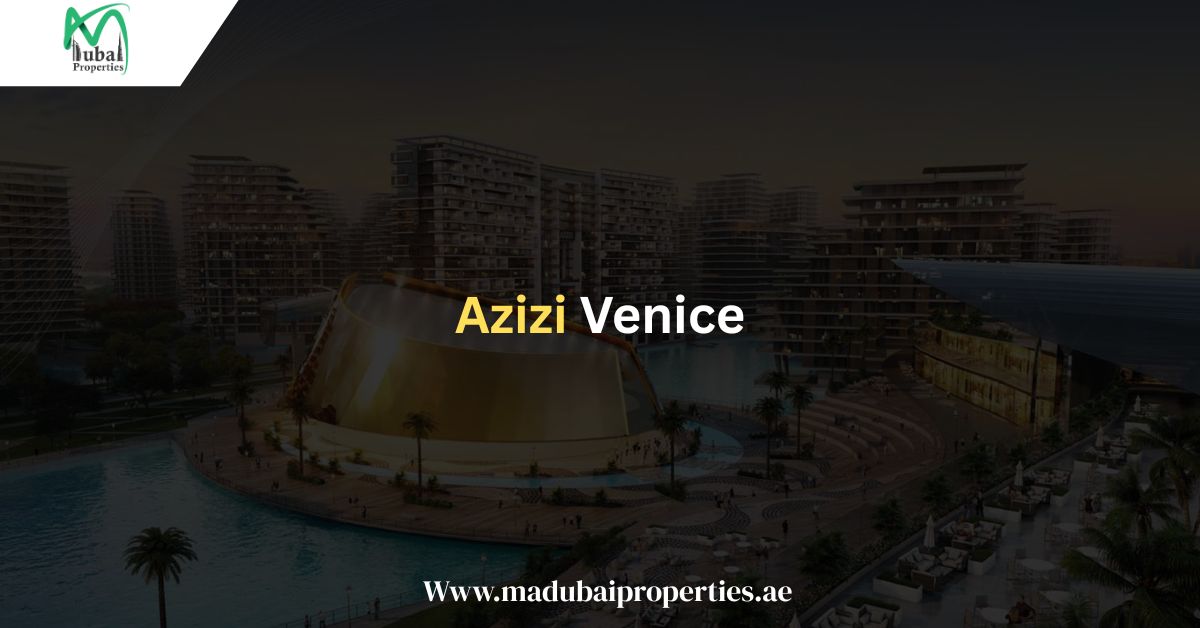
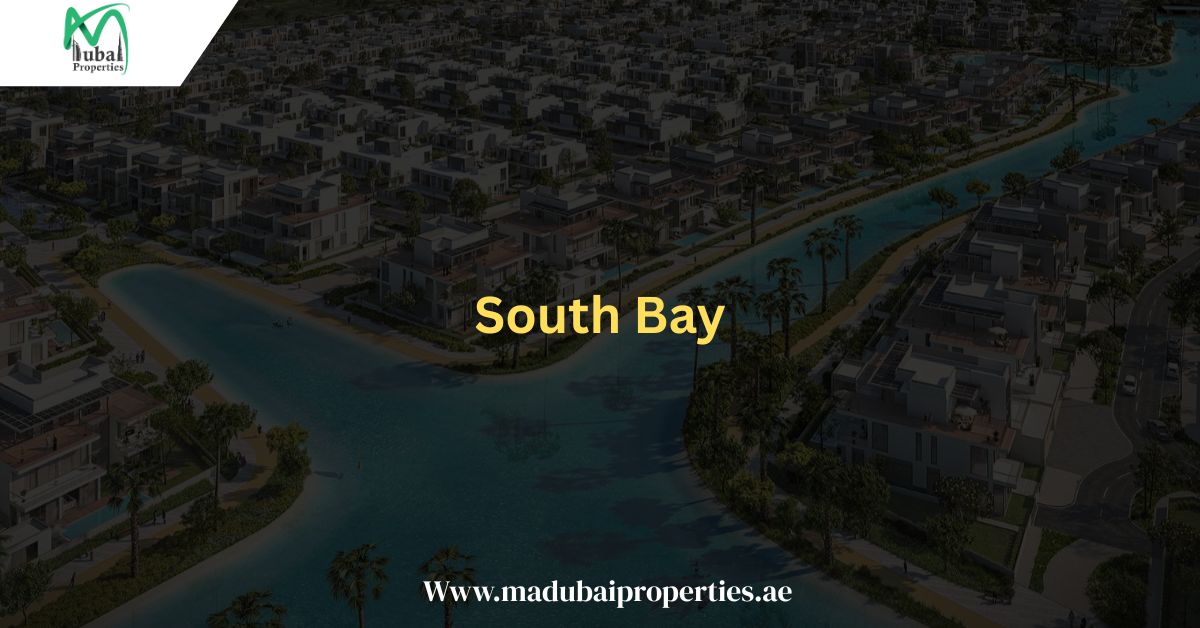
Dubai South Properties built The Pulse, which has a strong mid-market identity with a real community feel and a location that is easy to get to. Azizi Venice is a new development in the neighborhood that offers a lifestyle choice. It includes a 700-meter lagoon and canal-inspired architecture that has drawn customers looking for resort-style living at Dubai South prices. South Bay, which is mostly about villas and townhouses, has some of the biggest family residences in the emirate at this price range.
Dubai South’s Business Park and logistics zones are home to hundreds of regional and international enterprises, from global freight operators to e-commerce fulfillment centers. All of these companies employ tens of thousands of people who need somewhere to live nearby. The built-in tenant base is one of the most underrated parts of the whole Dubai South investment narrative.
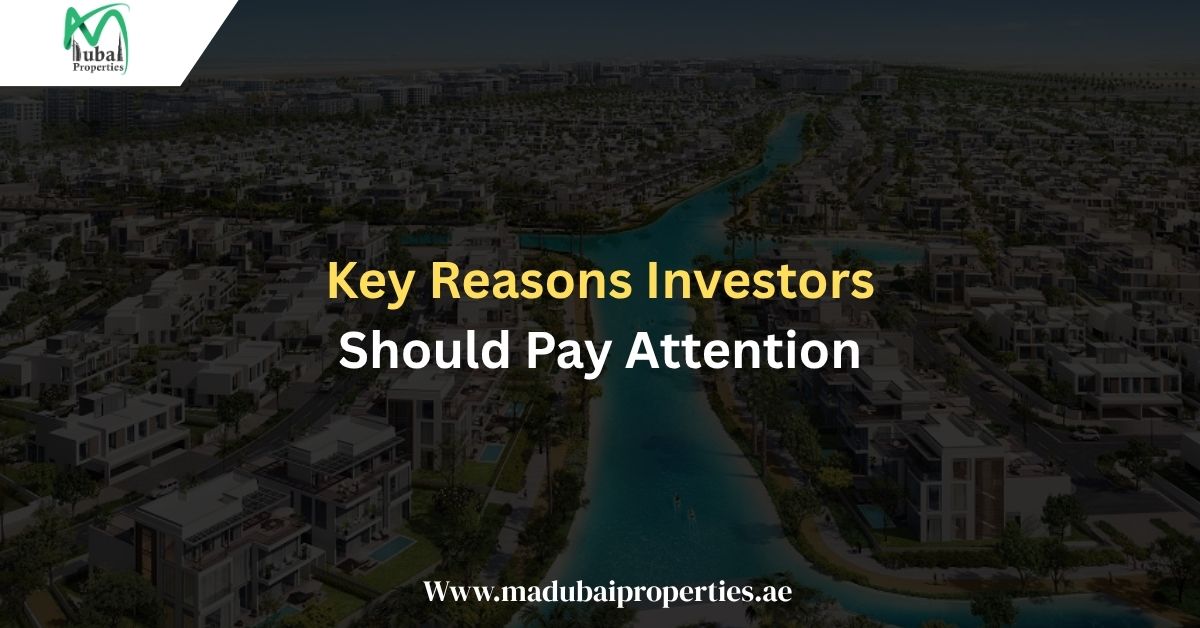
Key Reasons Investors Should Pay Attention
Affordability That Central Dubai Simply Cannot Match
This number often changes the subject of the conversation rapidly. The average price for a one-bedroom apartment in Dubai South is far lower than the price for the same flat in Dubai Marina or Downtown. Investors who couldn’t afford to buy in those established areas or who saw prices rise by 60% between 2022 and 2025 and thought they had missed the cycle now have a real second chance. The difference in price is real, not made up by marketing rhetoric.
This affordability also has a crucial effect on yield calculations. Your gross rental yield goes up as your acquisition cost goes down. Across all types of properties in Dubai South, rental yields of 7% to 9% are common. Short-term rental possibilities make that number even higher for serviced apartments near the airport. Some industry sources say that transit-focused hospitality units can get returns of 12% to 15%. These are not just a few random examples. They show a supply-and-demand relationship that is now beneficial for landlords.
ROI Potential That Holds Up Under Scrutiny
The difference between a successful investment and a risky bet is whether the returns hold up when you put the assumptions to the test. They do business with Dubai South. Real employers, such as those in aviation, logistics, and free zone enterprises, drive rental demand, not lifestyle goals that could change if the market changes. The number of tenants is going up since there is more employment. Emirates Airlines is moving 12,000 cabin crew members to purpose-built accommodation in the area, and that’s not even counting the ground personnel, airport operations teams, and all the other service industries that will follow them south.
Future Demand Drivers Are Already Locked In
One of the great risks of putting money into a new field is that the demand that was predicted never really happens. Dubai South avoids this risk better than most new areas in the world. The demand drivers are not just ideas; they are legally obligated and physically happening. The money is there for the airport development. The design and planning for the metro extension are underway. Etihad Rail is chosen. The logistics corridor is already almost full. When you put money into this, you’re not taking a chance on something happening. You are positioning yourself ahead of a delivery schedule that is already in place.
Major Developments Driving Growth
Al Maktoum International Airport — The Engine of Everything
You can’t discuss Dubai South without considering the size of the buildings being constructed there. Al Maktoum International Airport, which is also called Dubai World Central, is being built for about Dh128 billion. When it is finished, it will be able to handle up to 260 million passengers a year. That is about three times the present capacity of Dubai International Airport, which is one of the busiest airports in the world.
The airport site is 70 square kilometers, which is five times the size of DXB. Phase one aims to bring in 150 million passengers by 2032. Because this project is enormous, it will create jobs in construction, aviation, retail, hospitality, and logistics for many years to come. Analysts say that the construction might directly help one million people in the vicinity by creating jobs and increasing the need for housing. When there is an anchor of that size in the middle of a district, the property market around it doesn’t merely rise; it receives a permanent higher rating.
This trend is already shown by the market data. In the first five months of 2025, transactions in Dubai South were worth more than AED 15 billion, almost equal to the full-year totals for all of 2024. After the announcement of the airport expansion, rents in the vicinity have gone up by about 20% each year. And all of this is happening before most of the actual infrastructure has even been delivered.
Expo City Dubai — Where Legacy Becomes Lifestyle
Expo City Dubai has grown from a temporary exhibition space to a permanent urban destination about eight kilometers north of the main Dubai South residential area. The property retains its renowned pavilions and public areas, transforming into a mixed-use district that encompasses homes, businesses, and cultural activities. Mangrove Residences and other developments have set a high standard for the neighborhood, drawing in buyers who care about smart design, environmental responsibility, and quick access to established institutions and public services.
Expo City Dubai is important to investors not only as a single project but also as proof that the whole southern corridor can work. It shows that this region of Dubai can support complex, design-led urban growth. It also serves as a northern anchor that offers the larger Dubai South ecosystem both a geographic definition and real urban legitimacy.
Logistics, Free Zones, and the Business Ecosystem
The JAFZA free zone and the Dubai South Free Zone make up one of the most important business areas in the whole region. There are more than 9,000 firms in JAFZA, including the regional headquarters of global giants in every major industry. The Dubai South Free Zone is home to enterprises that focus on aviation, e-commerce, and light manufacturing. The Jebel Ali Port, which handles many containers, sends cargo nonstop to both zones.
This is not background information. It is the main reason why people want to rent homes. Every business that works in these areas hires individuals. Those individuals need a place to live. And more and more, they are choosing to reside in Dubai South instead of commuting from older, more expensive, and busier regions of the city. That change in preferences is what keeps rental prices high for a long time. This is the market dynamic that keeps yields high year after year, no matter what the general mood is.
Best Areas in Dubai South to Invest
Not all parts of Dubai South are the same when it comes to performance. The best regions for you will depend on your investment profile, budget, and expected return. For serious investors, here is how the main communities are divided up.
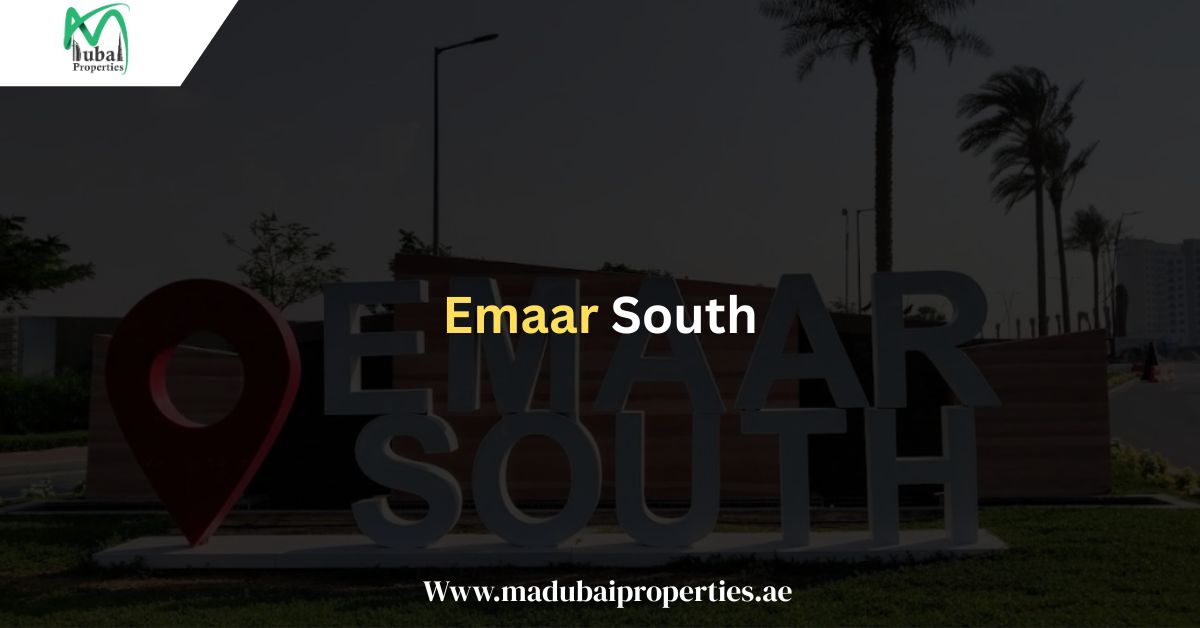
Emaar South
This is the best address in the Dubai South area. Emaar built Emaar South, which is a golf-integrated community with apartments ranging from studios to two-bedrooms, as well as a growing number of villas and townhouses. Emaar has a strong history of success in Downtown Dubai, Dubai Hills Estate, and Dubai Creek Harbour. The resale liquidity and the price both show the developer brand premium. Properties with the Emaar brand always sell for more on the secondary market and draw in a wider range of buyers from both inside and outside the country. If you want to invest in a place where your money will grow and you can count on getting rent money, Emaar South is still the best place to start in the zone.
The Pulse
Dubai South Properties, the main developer of the whole district, built The Pulse, which is meant to be the central neighborhood where people live every day. It really is a mixed-use area, with stores, schools, and plans for metro access all included in the layout. Properties here are cheaper than those in Emaar South, which makes them available to more investors. They also have rental rates of 7% to 8%. The Pulse is a viable choice for investors who want to build volume, maybe by buying several units instead of one big asset. It has the ideal mix of low entry-level prices and solid demand fundamentals.
Azizi Venice
When people first see this development, they are usually surprised by it. Azizi Venice has a 700-meter crystal lagoon and a system of canals that run through the town. This makes for a lifestyle that is very different from the practical image that some people still have of Dubai South. This is a great choice for investors who want to enter into the hospitality and short-let industry since it has a design language that makes you think of living on a European shoreline and a short-term rental market driven by leisure travelers, transit travelers, and aviation workers. The returns on serviced apartments here might be much higher than the norm for the area.
South Bay
For investors interested in the villa and townhouse market, especially families moving to Dubai South for jobs in the airport and logistics industries, South Bay has some of the best prices for large houses in the emirate. Three-bedroom townhouses, priced similarly to a studio apartment on the Palm, offer a great value, and the steady influx of professionals relocating to work in the nearby free zones sustains a robust family rental market.
ROI, Rental Yields & Price Trends — The 2026 Outlook
The data portray a story that is getting harder and harder to ignore. The gross rental yields in Dubai South range from 7% to 9%, depending on the type of property and the community. For short-term rental operators, serviced apartments near the airport can provide 12% to 15% returns. To put these numbers in context: London has a gross yield of about 4%, New York has a gross yield of about 3%, and even the strategies in Singapore that focus the most on yield rarely go above 5% to 6%. Dubai South is getting these returns at much cheaper entry rates than similar properties in any major Western metropolis.
The larger Dubai market saw 205,000 residential sales in 2025, an 18% rise from the year before. The total value of these deals was AED 539.9 billion, almost 25% more than the year before. Cushman and Wakefield say that prices and rents will go up by 8% to 12% more in Dubai in 2026. The southern corridor is predicted to do better because of its unique and fundamental demand factors. It is expected that 225,000 more people will move to Dubai in 2026 alone. All of those people need places to live, and Dubai South is ready to meet a big part of that requirement.
Prices for homes in Dubai South are going up, but they are still much below the city average. This is where the investment opportunity lies. As the airport expansion moves through its construction phases and infrastructure deliveries speed up, the price difference between Dubai South and central Dubai will get less. The investors who will benefit the most from that convergence are the ones who are already inside the zone before it becomes consensus.
From a capital efficiency point of view, off-plan properties in the area are still very appealing. Most ongoing projects require a down payment of 10% to 20%, and payment plans that start after the handover are common. This indicates that you are holding an asset that is going up in value while keeping your immediate cash expenditure low. Such an arrangement is not common in most property markets throughout the world.
Risks and Considerations
You have to think about the hazards of an investment opportunity honestly, and Dubai South has some. The most important thing is the timeline that comes with any new area. Infrastructure pledges and government master plans are real and important, but they take a long time to carry out. In the next five years, the airport will not be able to handle 260 million passengers. The metro line isn’t working yet. The secondary market in Dubai South may be less active than in older parts of the city. This is because investors require cash within 12 to 18 months.
The real estate market in Dubai has also shown that it can be unpredictable over the years. Every serious investor should remember and understand the market downturn that happened from 2008 to 2009. The rules have gotten a lot better since then. RERA has put real structure around developers’ responsibilities and investors’ protections. However, the market is still vulnerable to global economic shocks, changes in sentiment, and supply-demand imbalances if too much off-plan inventory comes in all at once.
Short-Term vs Long-Term Outlook
Dubai South is definitely a medium- to long-term investment. Most developers, experts, and experienced investors agree that the best time to hold is between five and ten years. During that time, the airport expansion moves through its early operational phases, metro connectivity is established, the population grows naturally, and the surrounding commercial ecosystem becomes a fully functional metropolitan setting. The timeline dictates the tale of capital appreciation, not the 18-month period.
The rental yield story is already functioning in the short run, bringing in real money while the capital growth happens quietly in the background. But anyone who thinks they can sell an off-plan property for a lot more than they paid for it in a year should lower their expectations. Dubai South is a market for investors who are willing to wait. Here, being patient really pays off.
Developer Selection Matters
The quality of developers in Dubai South might be very different. Emaar’s presence in the area is a big comfort because the company has a 25-year history of finishing projects on time and keeping construction quality high, which helps resale value. It is important to do more research on newer or less established developers, especially when it comes to delivery times, escrow agreements, and build quality records. Always verify to see if RERA registration is valid, thoroughly analyze the payment plan arrangements, and whenever possible, deal with an advisor who has direct, up-to-date experience in the Dubai South market.
Who Should Invest in Dubai South?
First-Time Buyers Entering the Dubai Market
If you’re looking to buy your first property in Dubai and your budget is tight in Marina or Downtown, Dubai South is perhaps the best place to start right now. Prices to get in are very reasonable, payment plans are flexible and subsidized by the developer, and the area’s growth means you’re buying into a tale of growth rather than a market that has already finished its cycle of appreciation. You won’t have the instant address recognition of a downtown unit, but over the next five to seven years, you might realize bigger percentage gains than most established neighborhoods can reasonably give.
Long-Term, Income-Focused Investors
Dubai South’s rental fundamentals will be very appealing to investors who value steady rental income above all else and know how important it is to keep good assets through market cycles. The tenants are solid, professional, and work for big companies that aren’t going away. It’s easy to handle vacancy rates. And the area’s underlying demand factors won’t go away just because people around the world are becoming cautious. No matter what happens to global interest rates or how investors feel about other markets, an airport that serves 150 to 260 million people would need accommodation for its workers.
International Buyers Seeking UAE Residency
The UAE’s Golden Visa scheme has made buying property an obvious and popular option to get long-term residency in the country. Dubai South properties are eligible at certain price points. For international buyers, especially those from India, the UK, Russia, and Europe, who make up the majority of Dubai’s foreign investors, the combination of a substantial investment return and a way to live there makes for a package that few other real estate markets can match. Properties in Dubai South at the right price points offer this double benefit without needing the huge expenditures that premium central locations require.
Portfolio and Multi-Unit Investors
Dubai South is more affordable than other parts of the city, which opens up options for investors who want to build portfolios spanning different units, property kinds, or communities. The money that buys one apartment in Downtown Dubai can buy three or four apartments in different neighborhoods in Dubai South. Having a lot of properties spread out over Emaar South, The Pulse, and Azizi Venice, for instance, gives you the kind of risk and yield mix that serious real estate portfolio investors know how to do on purpose.
The Opportunity Is Here. The Question Is Whether You Act On It.
A common rule in real estate investing is that the best time to buy was yesterday, and the second-best time is today. That frame is correct in every important way when it comes to Dubai South. Investors who entered the market three to five years ago, when discussions about the airport expansion were still ongoing, are reaping significant early-mover gains. The story, however, is far from over. In terms of delivering infrastructure, it’s still in the early chapters.
In the coming years, Dubai will get metro connections, see the completion of significant airport development projects, see important companies move to the city, and see a population increase of 225,000 new inhabitants in 2026 alone. They all need places to live. A lot of them will dwell in Dubai South. The investors who own those residences will benefit from a growing rental market because the economy around them is growing, not because of a story that could fall apart with the next news cycle.
Dubai’s government has made its intentions clear through its spending commitments. Emirates Airlines has made its operational roadmap transparent. The transaction data and rental growth figures have confirmed the demand dynamics in plain numbers. The only remaining question is whether you, as an investor, are willing to act on the evidence in front of you while others are still debating whether Dubai South is quite ready yet.
It is ready. And in real estate, timing is everything.
Ready to Invest in Dubai South? Let’s talk.
The best positions in any market are taken before the crowd arrives — and Dubai South is no exception. If you are serious about securing your place in one of Dubai’s most exciting growth corridors, the time to move is now.
Get in touch with MA Dubai Properties, a division of Wellington Home Real Estate Broker, and let our specialists guide you through every step of your Dubai South investment journey. Whether you are exploring off-plan opportunities in Emaar South, seeking a high-yield rental unit in The Pulse, or looking for a family villa in South Bay—our team has the on-the-ground expertise and market knowledge to match you with the right property at the right price.
We offer personalized investment analysis, exclusive access to current listings, and end-to-end guidance tailored to your goals, budget, and timeline.
Your position in Dubai’s next chapter starts with one conversation.
Contact MA Dubai Properties—A Division of Wellington Home Real Estate Broker today.